

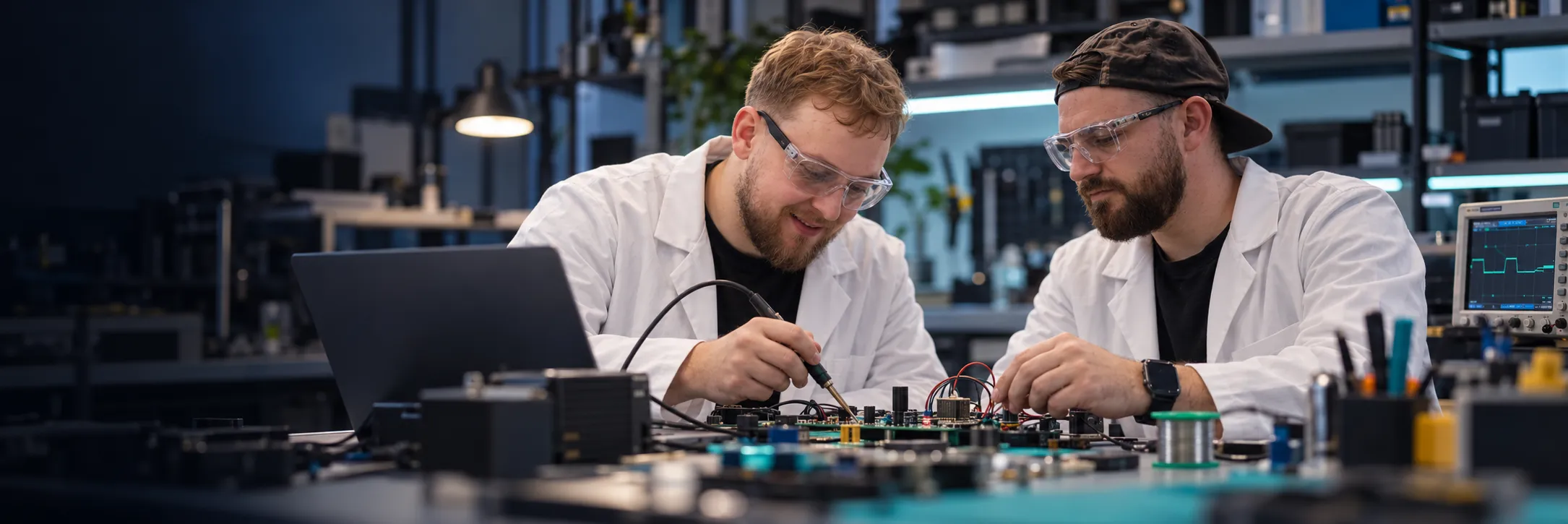
Print the parts
Enclosures, mounts and fixtures are modelled in CAD, then 3D printed, fitted and revised until they suit the real environment they will live in.
Apexia Labs designs and builds unique equipment and software tailored to each customer’s requirement, from the enclosure and electronics through to the firmware, application and interface.
Labs builds take shape across mechanical, electronic and software work at the same time, so every part is designed around the others instead of being bolted on later.
Enclosures, mounts and fixtures are modelled in CAD, then 3D printed, fitted and revised until they suit the real environment they will live in.
Electronics are wired and measured on the bench before a board is made, so problems are found while they are still quick and cheap to fix.
Firmware, cloud services and the dashboards people use are written alongside the hardware and tested against real readings from the device.
Each layer is engineered to fit the requirement, then brought together into one product, so the equipment, the code and the people using it work as a single system.
L5
Dashboards, control panels, apps and displays for the people who operate the system.
L4
APIs, data handling, automation and integrations with the platforms already in use.
L3
Logic running on the device itself, from controllers and microcontrollers to edge computers.
L2
Sensors, actuators, power, lighting and the networks that keep equipment connected.
L1
Housings, mounts and physical parts designed in CAD and refined through real revisions.
Inspiration OS is a Labs build that made it out of the workshop. The controllers, firmware, effects and phone control were developed and tested on the bench, then taken into public light trails as one complete lighting system.
Labs also builds the software a business runs on. Each of these was designed from the ground up around one customer and is live in their operation today.
A complete operating system for a trade merchant, built from the ground up so trade accounts, stock, the warehouse, deliveries and the phones all run from one place.
A bespoke job and fleet management system tailored to how this customer books, dispatches and completes work, with every vehicle and its stock visible in real time.
An end-to-end event management platform that runs the business behind the events, from selling tickets and hiring staff to planning the site and monitoring the day itself.
Every Labs build moves through four gates. Each one ends with evidence and a clear decision before the next begins.
Define the requirement: what it must do, where it will live, who will use it and what makes it hard.
Engineer the system across hardware and software: architecture, components, CAD, data and interfaces.
Prototype, bench test and field test against real conditions, devices, networks and edge cases.
Build, install and commission the finished system, then monitor and support it in operation.
Real work from the Labs bench: parts modelled in CAD, prototypes wired by hand, boards opened up and equipment integrated where it will actually be used.
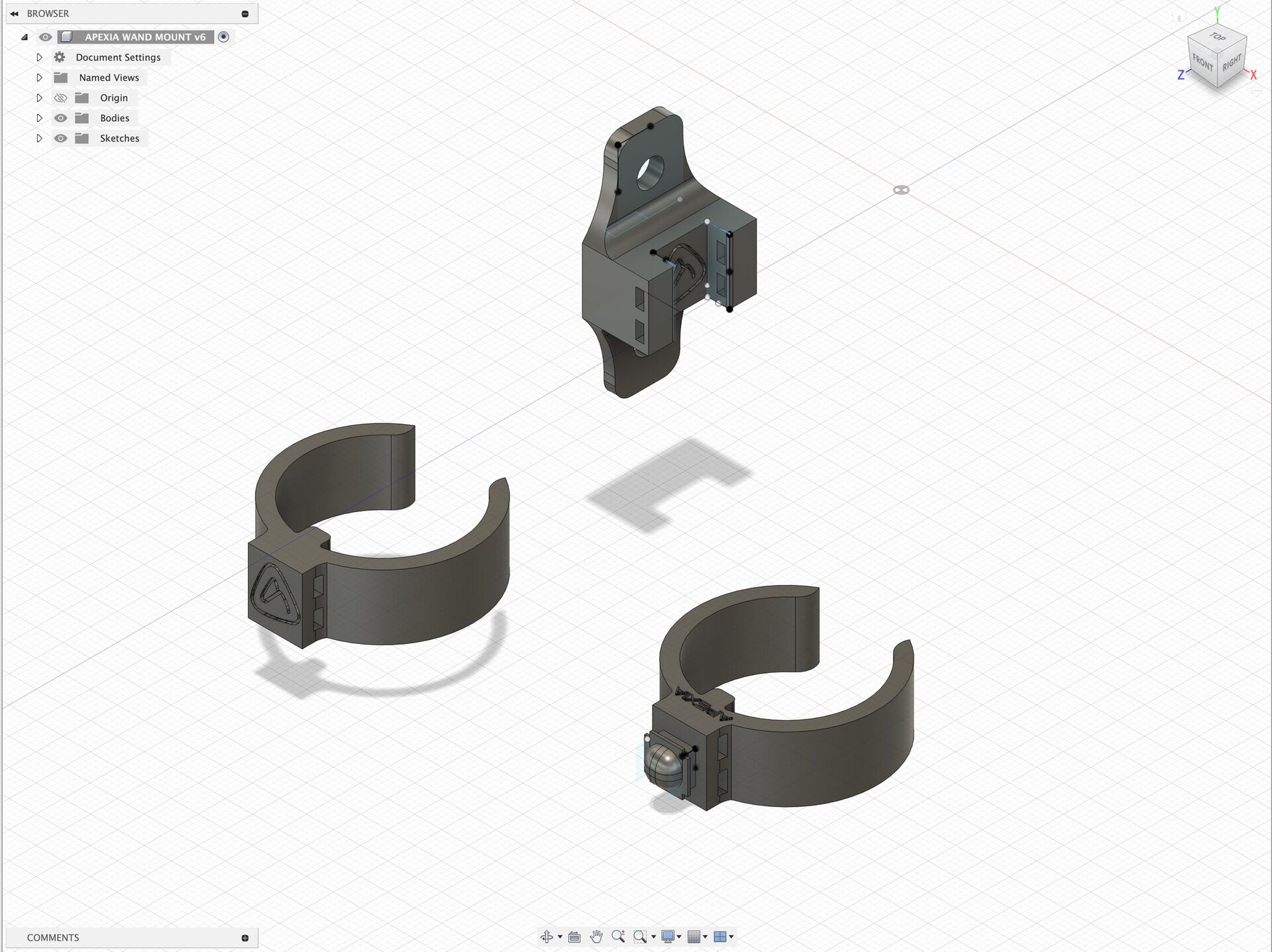
FIG. 01Apexia wand mount, revision 6, modelled in CAD and refined through real-world revisions.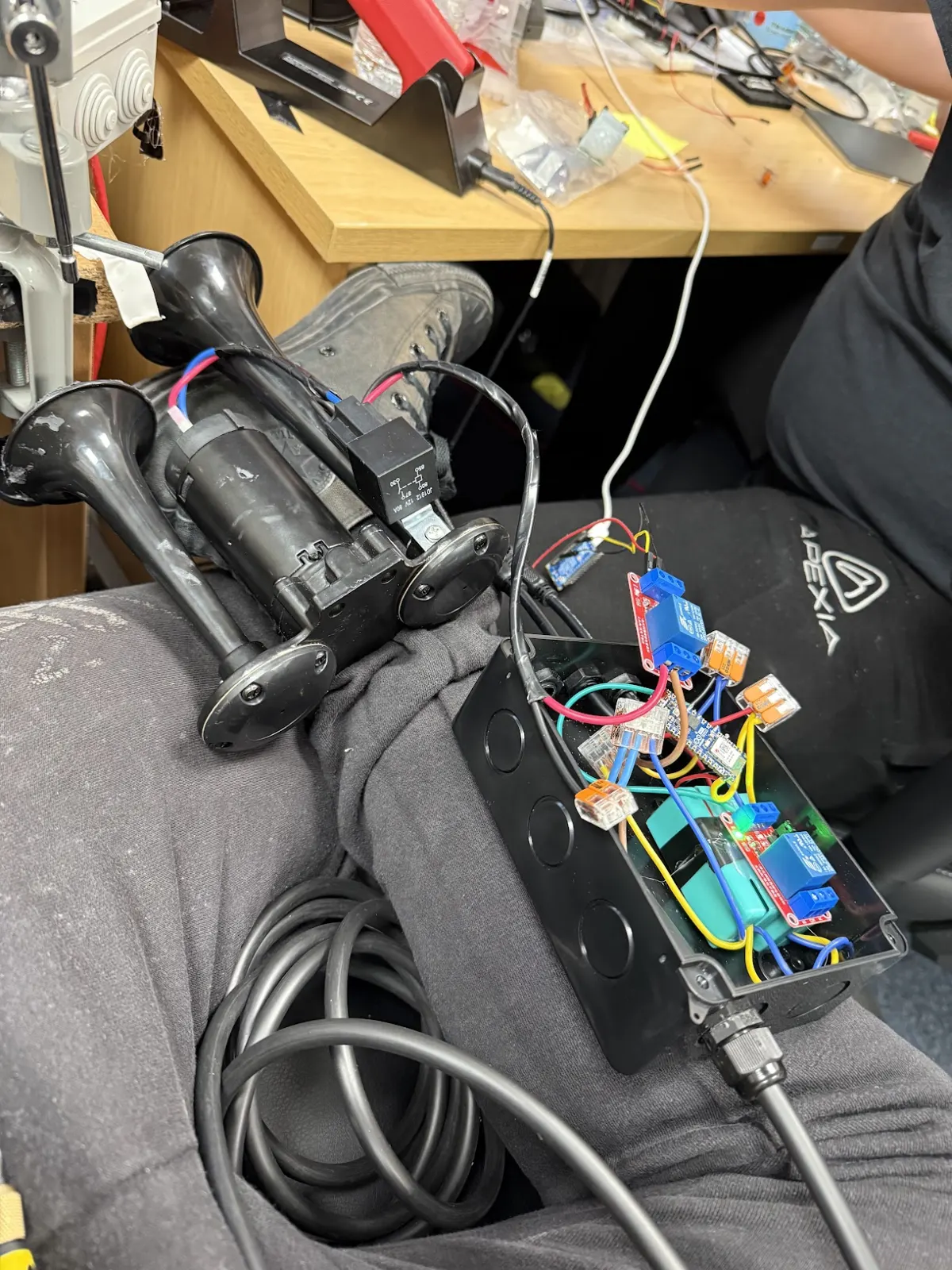
FIG. 02A relay-switched air horn controller, wired into a weatherproof enclosure on the bench.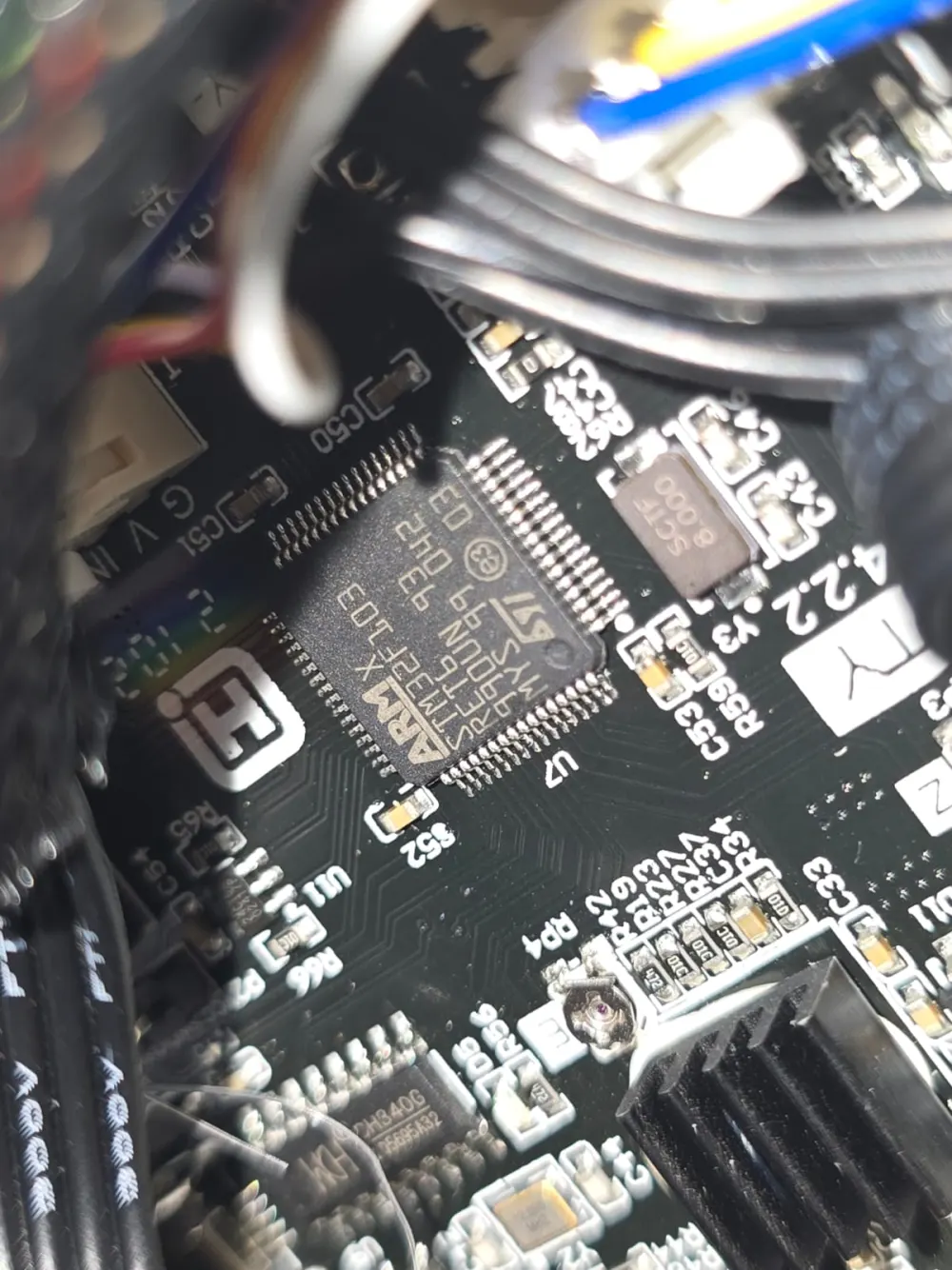
FIG. 03An ARM microcontroller and its supporting parts, inspected up close.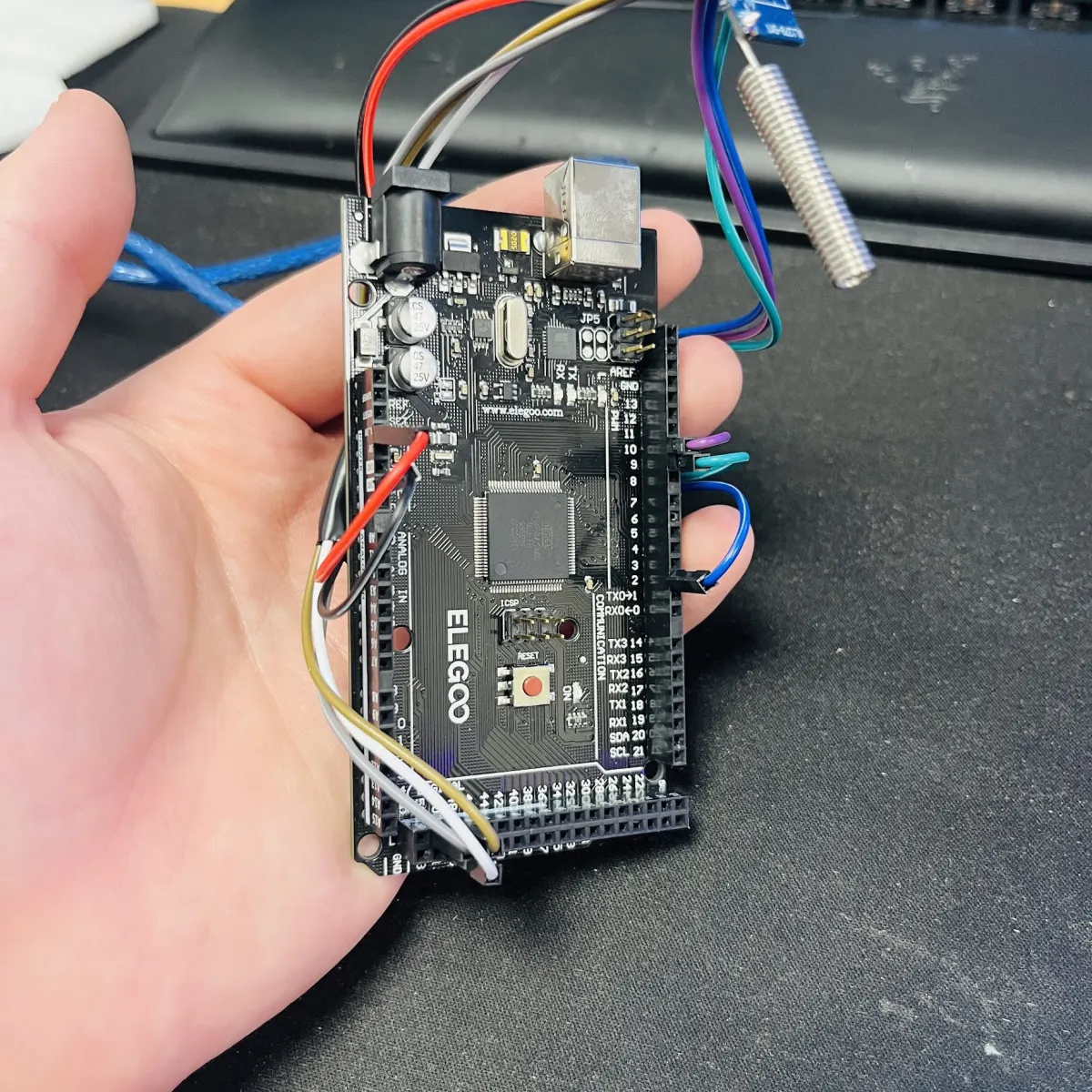
FIG. 04A Mega-format board wired to a radio module while proving a prototype.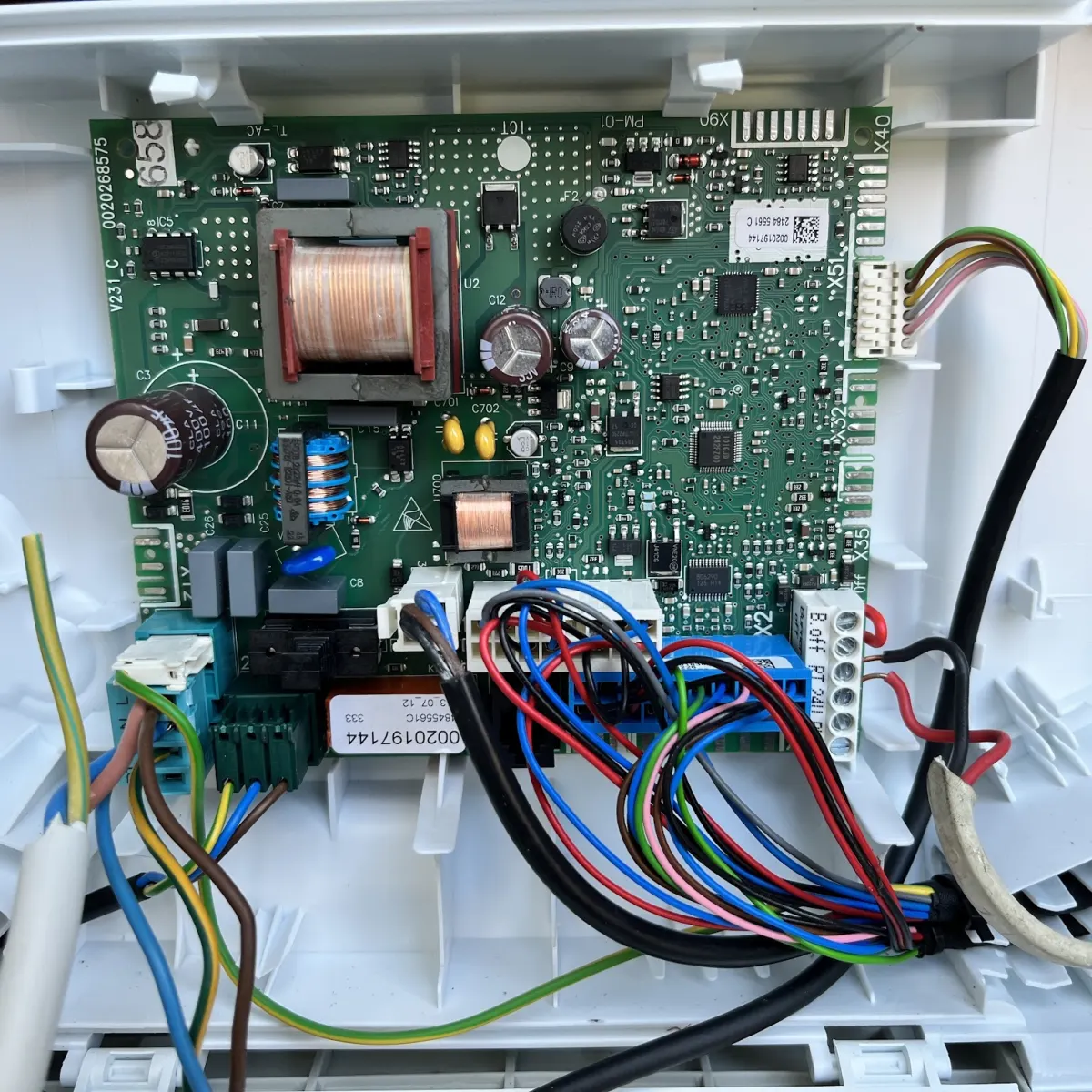
FIG. 05An appliance control board opened up for diagnosis.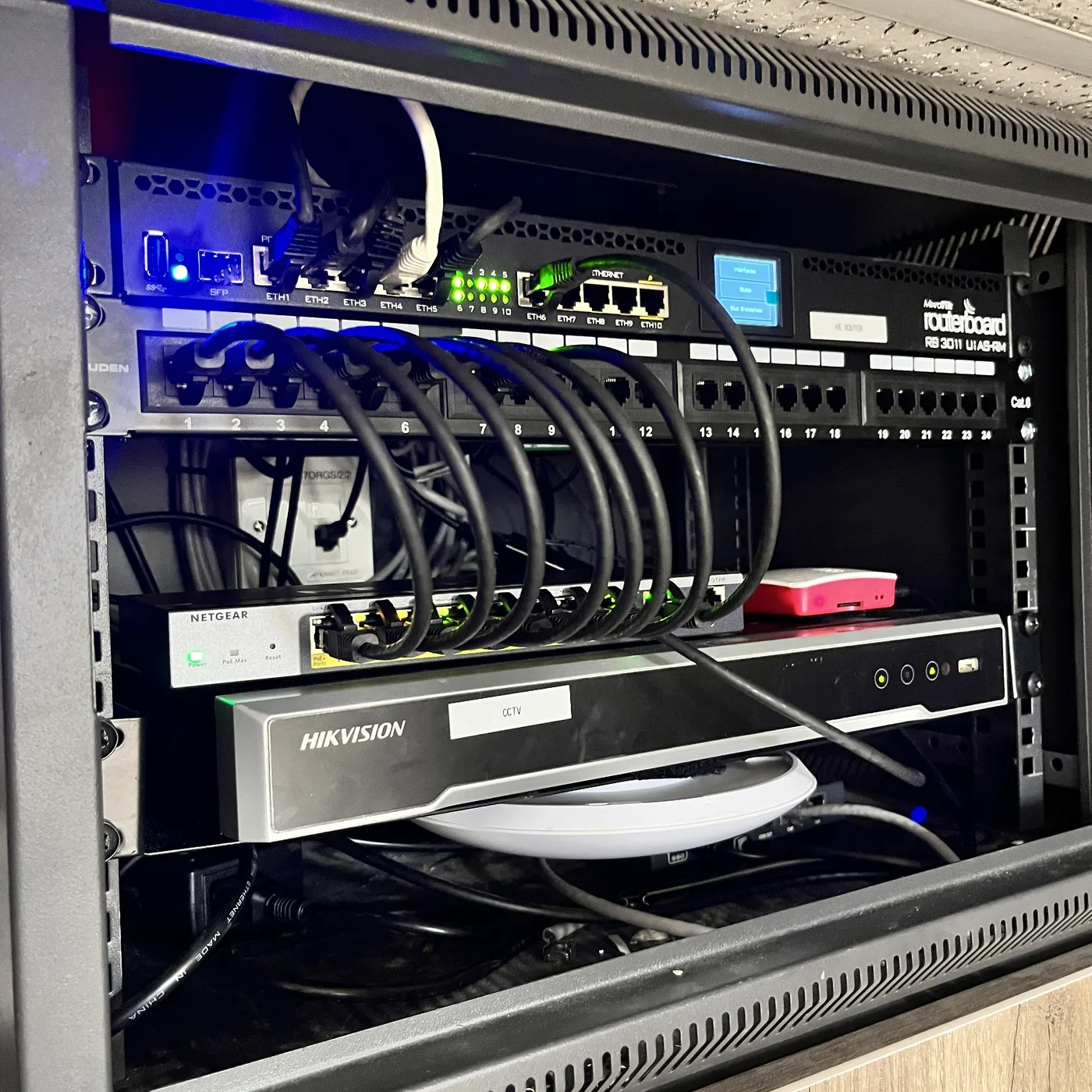
FIG. 06Network, control and recording equipment integrated in a technical rack.Most builds combine several of these. Each one is tailored to the requirement rather than adapted from a standard product.
APX-L01
Purpose-built devices that combine sensors, control and software for a single, clearly defined job.
HW + SWAPX-L02
Mechanical parts designed in CAD to protect, position or integrate equipment in its real environment.
HWAPX-L03
Controllers, lighting rigs and software for installations, events and interactive experiences.
HW + SWAPX-L04
Systems that react in the moment: live data feeds, broadcast tooling and event operations.
SWAPX-L05
Racks, networks and connected equipment engineered for permanent and temporary sites.
HW + SWAPX-L06
Making equipment, legacy platforms and specialist systems exchange data reliably.
SWApexia Labs is the engineering arm of Apexia. It designs and builds unique equipment and software around a specific customer requirement, covering everything from the physical hardware and enclosure to the firmware, application and interface.
Yes. Labs projects can include custom enclosures and mounts designed in CAD, electronics, sensors, controllers, networking and lighting, engineered together with the software that runs and manages them.
Bespoke software development usually improves a known business process with a better system. Labs takes on requirements that need new equipment, new hardware and software working together, or an approach that has to be proven before it can be built.
The riskiest parts are prototyped and bench tested before major build investment. If an approach needs to change or stop, Labs says so plainly and explains why.
Ownership of code, CAD files, designs, data and intellectual property is agreed in writing before work begins, with documentation and handover so the result can be operated, maintained and developed further.
You do not need a full specification. Tell us what it needs to do and we’ll work out the hardware, the software and the route to deployment with you.
Send us the requirement