

How We Built It: Case Studies in Cheshire Event Technology and Software
Apexia’s published evidence shows a practical build pattern: understand the live requirement, design the software, hardware and infrastructure as one system, test the failure points, deploy it where it must operate and keep improving it. The examples below cover broadcast playout, stadium live feeds, outdoor lighting, event platforms, business automation and e-commerce—with earlier founder experience and current Apexia work clearly separated.
Evidence standard
What is—and is not—being claimed.
These summaries use facts already published by Apexia. They do not add client identities, dates, budgets, awards, testimonials or performance figures that the business has not made public.
The first two examples are part of the founders’ delivery history before Apexia was formed and are labelled accordingly. The outdoor installation is Apexia delivery. The remaining sections describe product or capability evidence and explicitly withhold numerical claims where the repository does not provide a reproducible method.
Buyers should be able to tell the difference between company delivery, founder experience, owned products and aggregate portfolio evidence. Each can be relevant, but they are not interchangeable.
Dependable playout software for a national shopping channel.
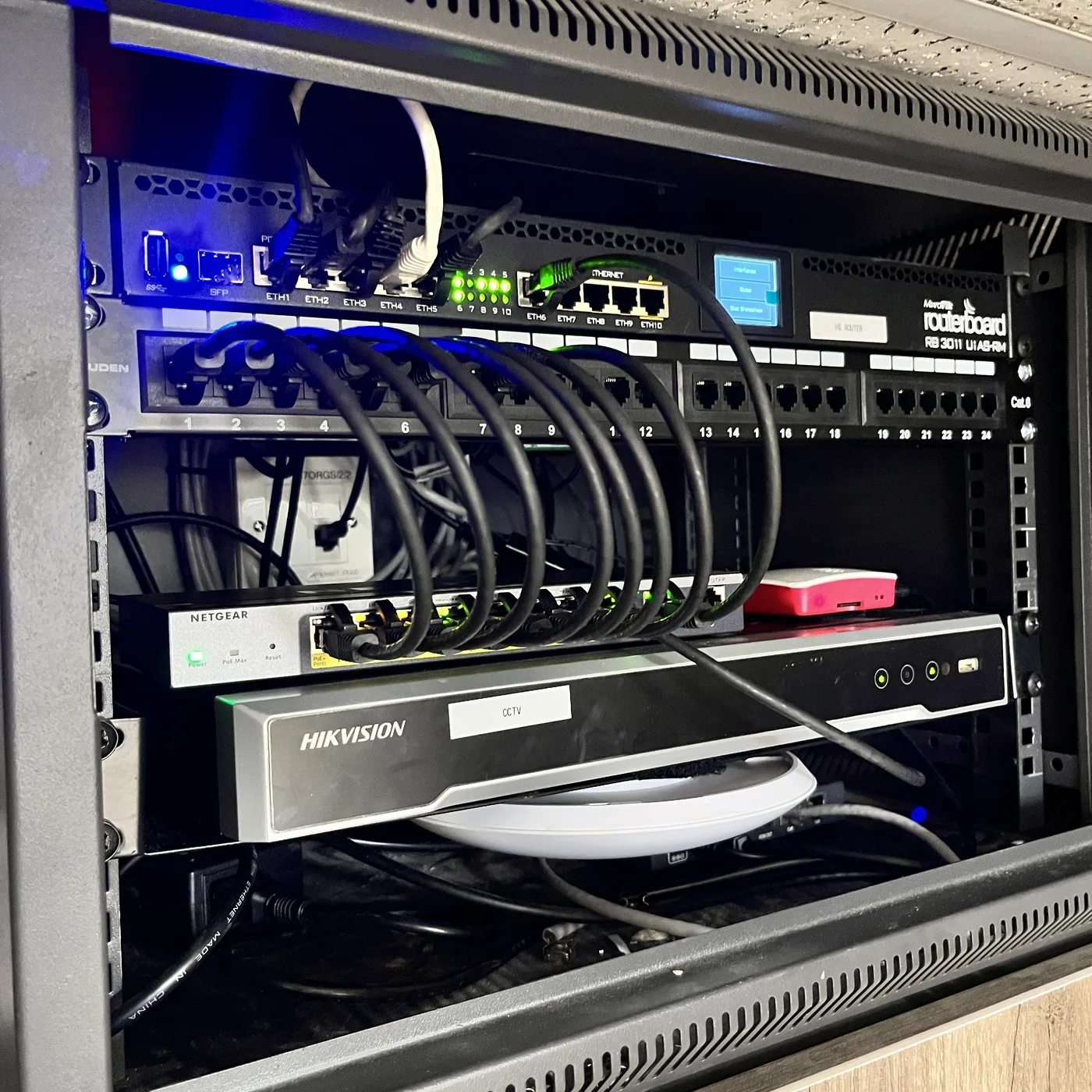
The requirement was to build a dependable broadcast playout system on a tight budget and deadline. It was the first project Joshua Stanley and Chris Smith delivered together in person, before Apexia was formed.
Live television and broadcast
Before Apexia Group Limited was incorporated
Joshua Stanley and Chris Smith designed and built the system as part of their earlier delivery experience.
A live channel environment. A fixed transmission deadline. The output needed an automatic recovery path.
Solution delivered
The build combined scheduled media playback with black-screen detection, automatic fallback and redundancy so failure detection and recovery were part of the system rather than an afterthought.
Implementation process
The normal playout path and the failure path were designed together: define expected output, detect the known failure condition and provide a route to continue before going live.
System components
- Scheduling
- Media playback
- Black-screen detection
- Automatic fallback
- Redundancy
Outcome
A complete working playout system was delivered for the live channel requirement. No uptime percentage, client quotation or financial outcome is published.
This is a qualitative account based on Apexia’s published founder history. It is not a measured current-Apexia client result and does not include an independently verified performance figure.
Bespoke software development · Event technology planning guide
Broadcast galleries, cameras and live feeds in major stadium environments.
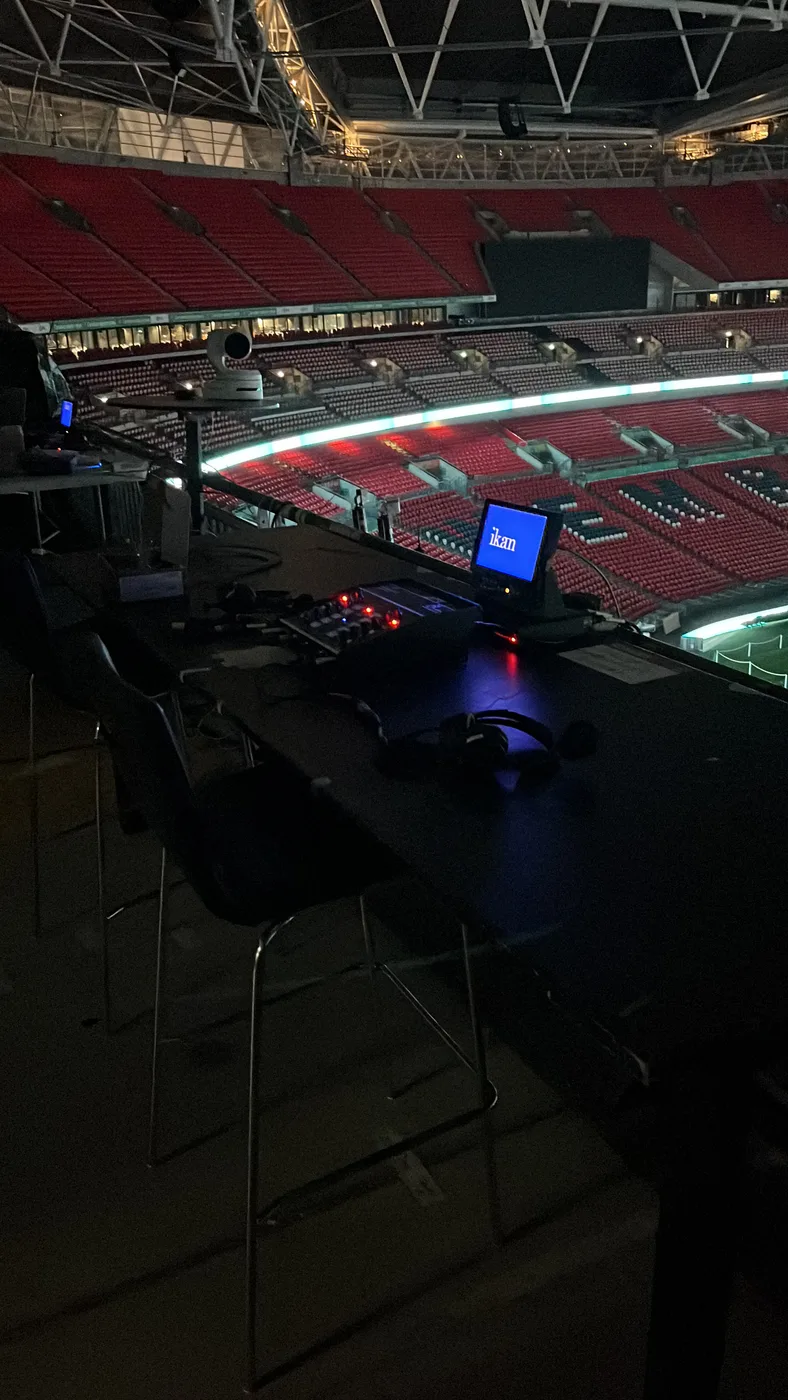
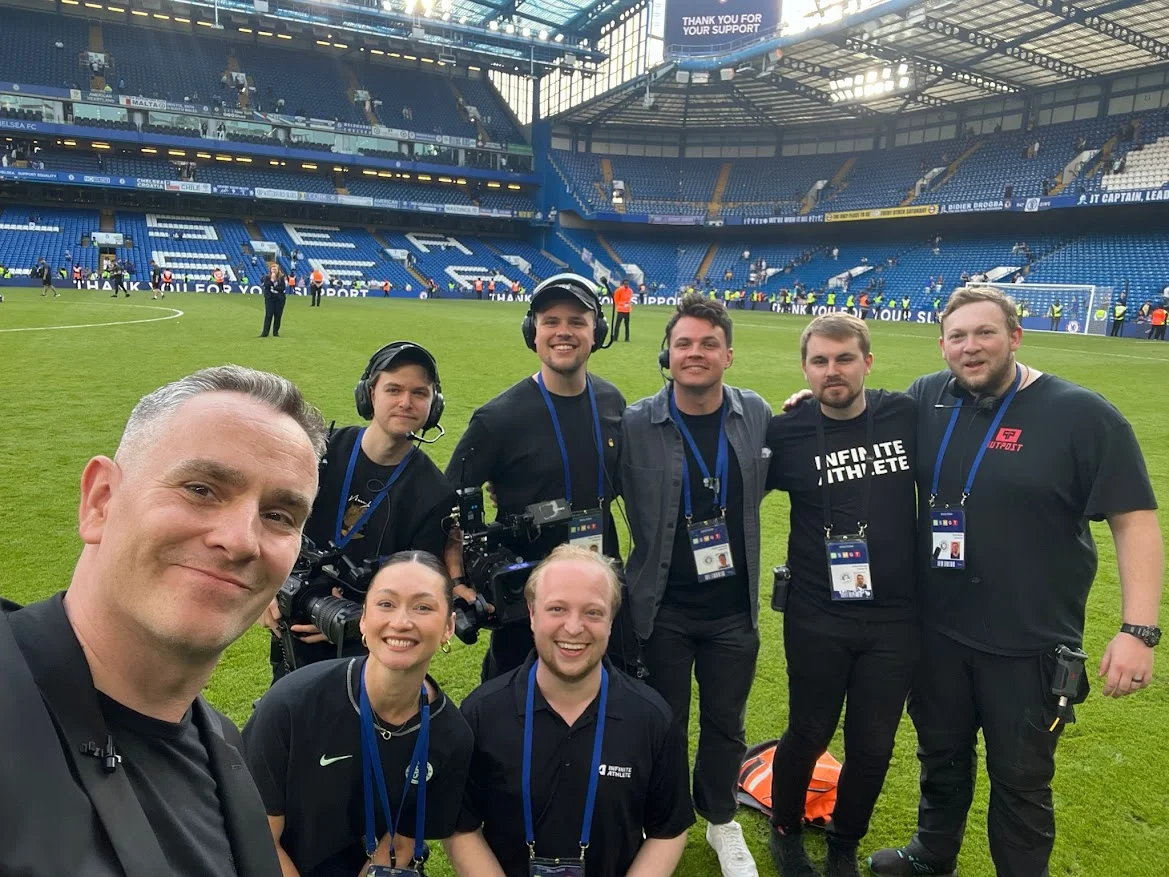
The founders’ published experience covers live broadcast and infrastructure delivery at Stamford Bridge, Wembley and Soccer Aid, where galleries, cameras, feeds and bespoke production systems had to work to fixed live deadlines.
Live sport and broadcast production
Before Apexia Group Limited was incorporated
The founders’ work included building galleries, connecting cameras, moving live feeds and creating bespoke systems behind the production.
Live transmission schedules. Several signal and infrastructure dependencies. Hands-on work in stadium and production environments.
Solution delivered
Broadcast, networking and technical infrastructure were brought together around the production path, with each signal given a clear source, route, destination and operating owner.
Implementation process
The work was planned and delivered around live production responsibilities rather than treating software, networks and broadcast equipment as isolated layers.
System components
- Broadcast galleries
- Camera connectivity
- Live-feed routing
- Networking and technical racks
- Bespoke production systems
Outcome
The published record supports hands-on delivery experience in major live environments. It does not provide a single-client scope, measured result or testimonial.
This is an experience summary across more than one earlier engagement, not a single Apexia case study. Locations are included only because they are already published in the company story.
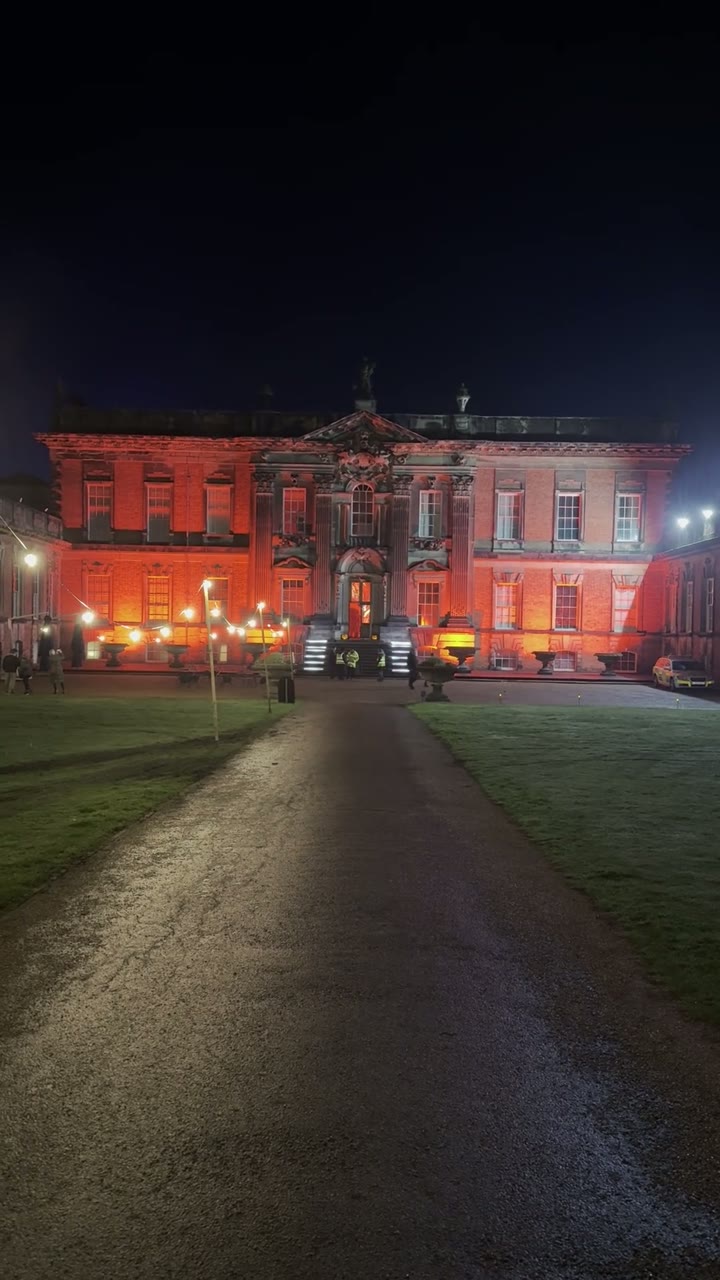
A weather-resistant lighting system taken from concept to a live Halloween event.
Apexia needed to create a physical lighting experience that could perform in the outdoor environment for which it was intended.
Live events and outdoor visitor experience
Apexia designed the hardware, weather-resistant protection and lighting controls, proved the concept and deployed the installation.
Outdoor conditions. Hardware, protection, software and installation had to operate as one system.
Solution delivered
Purpose-designed hardware, outdoor protection, lighting-control software and physical installation were developed together rather than handed between separate suppliers.
Implementation process
Build and test the concept first, strengthen it for the operating environment, then turn it into the complete live-event installation.
System components
- Purpose-designed hardware
- Weather-resistant protection
- Lighting controls
- Physical installation
Outcome
The proven concept became a complete installation operating at the live Halloween event. No unsupported attendance, scale or commercial result is claimed.
The outcome is evidenced by the published project description and project media. No client quotation or numerical performance measurement is available.
Software for the operational journey around a live event.
Alongside bespoke projects, Apexia builds and operates its own event software products. Together they cover guest access, people, screens and connectivity before, during and after show day.
Tixsy
Ticket sales and guest entry for modern events.
Media Link
Content distribution to connected screens across a site.
WiFiX
A branded way for guests and teams to connect to Wi-Fi.
ClockTally
Staff clock-ins, attendance and working-day records.
Crew Connector
Discovery of event crew, freelancers and suppliers.
What owned products prove
Operating a product creates responsibilities beyond the initial build: hosting, support, integrations, user journeys and continued improvement. The portfolio also gives Apexia practical components that can sit alongside bespoke event infrastructure where they fit, without forcing every event into one fixed package.
Automation deployed into real business workflows.
Apexia’s project material records AI and automation deployed into business workflows. Client-approved project narratives, the period covered and a reproducible method for the previously published aggregate hours figure are not available in this repository, so the numerical claim is not presented as evidence here.
Custom AI, business process automation, system integrations and workflow tools.
Start with the process and apply AI where it is useful rather than introducing it without an operational reason.
Connect existing tools and remove repetitive work across systems teams already depend on.
No unsupported client name, saving, time period, review quote or financial value is added.
Bespoke e-commerce systems built beyond the storefront.
Apexia’s project material records e-commerce systems built and supported through Black Friday, Christmas and unexpected demand spikes. It does not provide the client permissions, calculation period or transaction-total methodology required to publish the previous aggregate figure here as a measured outcome.
Products, accounts, storefront and checkout journeys.
Payment flow, pricing and order logic.
Stock, fulfilment, internal workflows, reporting and integrations.
High-volume sales and periods of expected or unexpected peak demand.
What the evidence supports
The available material supports experience across custom storefronts, payments, stock, fulfilment and internal integrations in peak trading periods. It does not support a named client result or independently reproducible transaction total.
Across the evidence
What this work says about the right project fit.
The consistent thread is a requirement that crosses boundaries: software that must recover on air, networks carrying live feeds, controls operating outdoor hardware, event platforms supporting on-site workflows, or commerce connected to the operation behind the checkout.
Apexia is therefore most relevant to buyers who need one team to reason across software, hardware, cloud, networking or physical delivery. A standard application agency may be a better fit for a self-contained build with no meaningful infrastructure or on-site component; the project should determine the team, not the other way round.
Share the outcome, operating environment, existing systems and failure points. Apexia can help define whether the work needs software, infrastructure, physical technology or a combination.
Frequently asked questions
Apexia delivery evidence
Are all of these projects Apexia client projects?
No. The playout and stadium broadcast sections are explicitly labelled as experience gained by Joshua Stanley and Chris Smith before Apexia was formed. The outdoor lighting section is Apexia delivery. Product and capability evidence is labelled separately, and named client details are omitted where Apexia does not publish them.
What event technology can Apexia deliver?
Apexia publishes capabilities across temporary networks, internet connectivity, Wi-Fi, AV, content distribution, live broadcast infrastructure, event software, physical installation and show-day support. The final scope depends on the venue, event format and supplier responsibilities.
Does Apexia build both software and physical technology?
Yes. The company describes its work across bespoke platforms, automation, cloud infrastructure, connected products, networking, AV and physical installations. The outdoor lighting build is a published example of hardware, protection and controls designed as one system.
Can Apexia support live broadcast infrastructure in Cheshire and the UK?
Apexia offers AV and live delivery for UK events, and its founders publish earlier hands-on experience building broadcast galleries, connecting cameras and moving live feeds at venues including Stamford Bridge and Wembley and for Soccer Aid.